
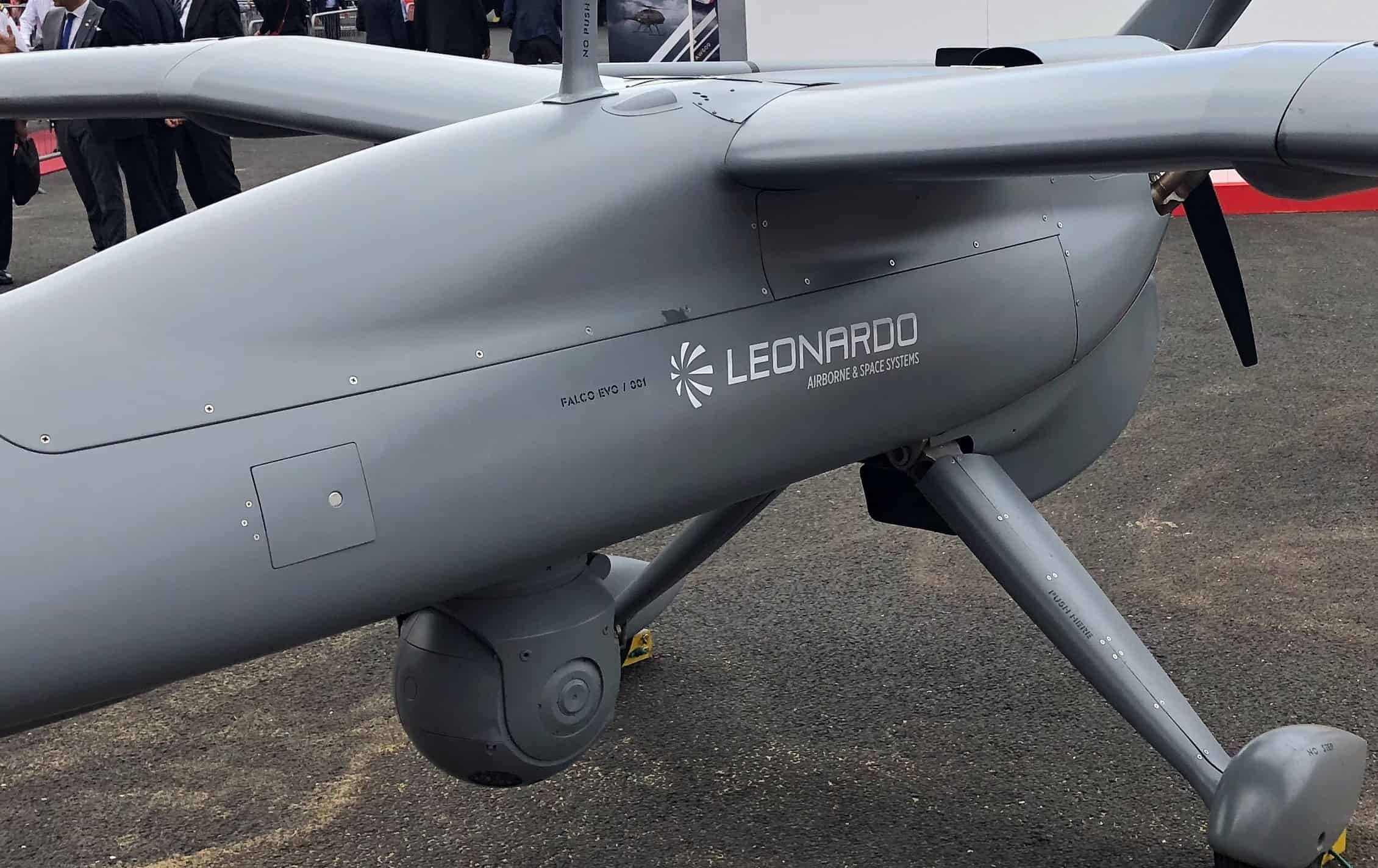
The rise of commercial drone use
UAVs (Unmanned Aerial Vehicles) have made huge strides over the last few years in terms of the development of their underlying technology and investment. In 2018 over $700 million was invested in the US alone1. That figure is expected to rise well beyond $4 billion by 2026.
Drones generally fall into three categories of product: Fixed Wing, Rotary Blade & Hybrid. To date the Rotary Blade form has dominated the market but the advent of Hybrid UAVs – that is drones that have a fixed wing in addition to rotary blades – is increasing. Hybrids allow for fully autonomous flight i.e. pre-programmed and are by nature more adaptable to different environments such as higher altitude with increased manoeuvrability. As a result commercial drone use has also grown exponentially, with sectors as diverse as Defence, Agriculture, Media, Infrastructure and Insurance (to name but a few) spending ever-increasing amounts on UAV provision.
As advancements in the technology have arrived so have specific challenges; as UAVs are reaching further (one senior drone manufacturer recently stated – somewhat scarily – “there is literally nowhere left above the oceans that drones cannot reach”) there are two key areas of concern.
The ethical and moral use of drones across society and the need for new laws to determine how they are used (the closing down of a major international airport – Gatwick in 2018 – due to drones was a turning point), as well as protecting people’s privacy.
Secondly is the more practical challenge of durability. As the hardware is exposed to more extreme conditions, its stress increases, with the potential for irreparable damage. As an example, organisations geographically surveying the Antarctic require UAVs that can handle extreme temperatures, high winds and sudden changes in precipitation (i.e. snow).
Most commercial drones are now manufactured using CFRP (carbon fibre-reinforced polymers) due to its light weight & strength. However, ice formation and build up is an issue, particularly on extended flights. Drones that are designed for military use are also subject to similar conditions due to higher altitudes, and as UAVs’ use becomes more widespread challenges such as these – as well as issues relating to dust, sand and high temperatures – need to be addressed.
The major manufacturers of drone tech continue to seek new innovative solutions to optimise their vehicles such as Icemart® (www.ice-mart.com), a consortium part-funded by Innovate UK who are developing a cutting edge passive anti-icing coating for the aerospace sector with broader commercial applications. For more information please visit the Icemart website.
1 Fortune Business Insights, Feb 2020


