Regional infrastructure vs extreme winters: An observation
Over the last two years we have witnessed increasing numbers of extreme weather incidents. The infamous Beast From The East in spring 2018 stopped the UK in its tracks; late last year (2019) the North-Eastern seaboard of the US had to deal with hugely disruptive, record-breaking snowfall and temperatures more normally associated with the Poles; and as recently as November 2020, the Primorsky region of East Russia was forced to declare a state of emergency around the city of Vladivostok as power cuts caused chaos. Even hotter climes are not excluded; in July 2019 in Guadalajara, Mexico, a freak summer hailstorm dumped five feet – that’s one-and-a-half metres’- worth of ice on the city in just ninety minutes, burying cars and causing immense damage.
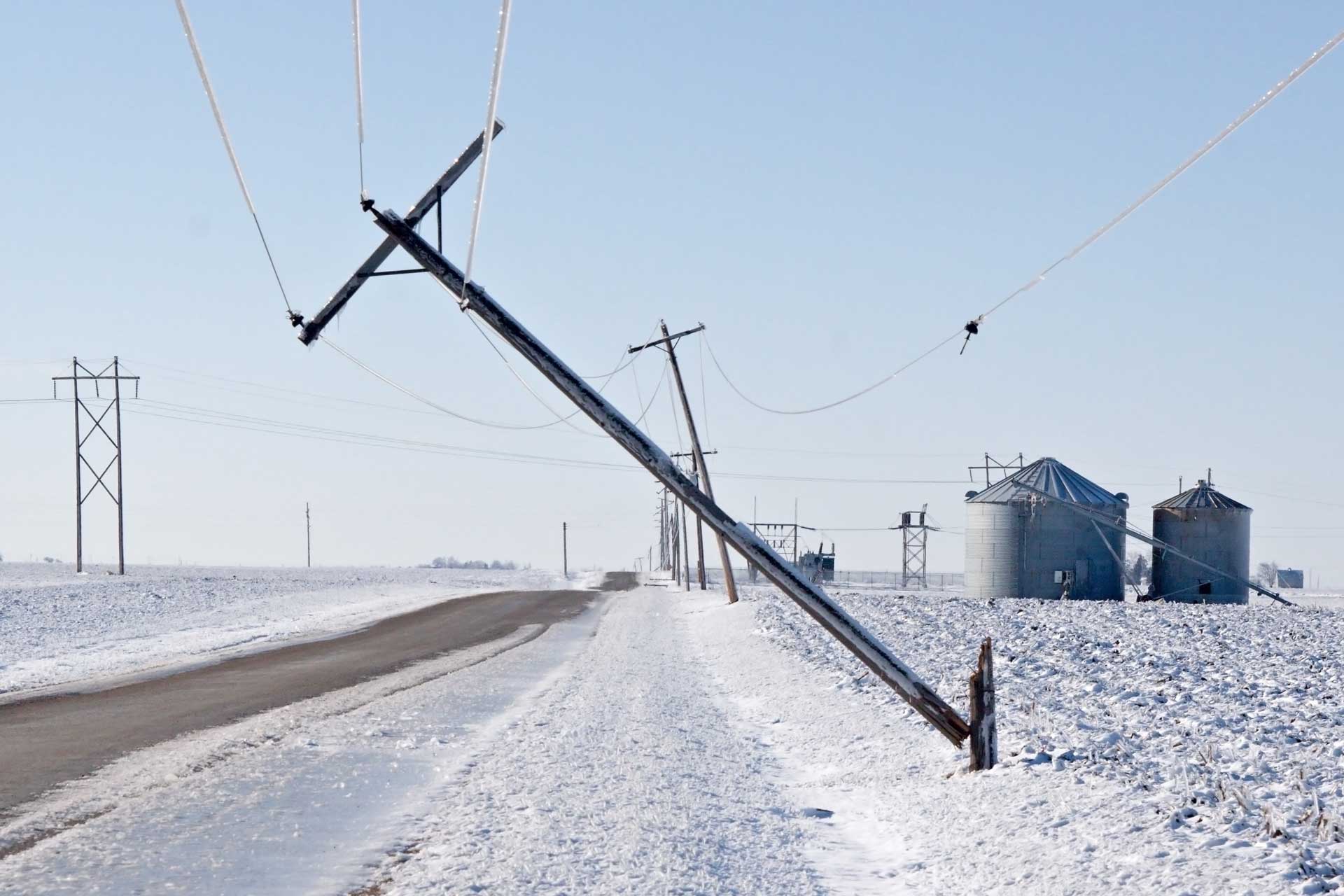
As the weather gods look set to continue sending us messages, authorities around the world are investigating ways in which to reduce the effects extreme weather brings. In the case of Vladivostok a major problem has been the loss of power to over 150,000 homes; if the same storm had hit a more populous area that number could easily multiply ten or twenty times over. The cause has been identified as power lines being iced up and collapsing as a result of the accumulative additional weight. Back up power generators for Covid-hit hospitals were been deployed but the effort was hampered by delivery trucks covered with thick sheet ice and impassable roads leading into the city.
Transport infrastructure is also vulnerable, as witnessed in Boston & New York in late 2019 when both cities’ overground rail network ground to a halt for over four days – and this in cities used to particularly cold winter conditions. In the UK there’s an ongoing joke that two centimetres of snow is enough to bring the country to a standstill, but when the ‘Beast From The East’ occurred in Feb 2018 that joke became a harsh reality.
Given the ever-increasing investment that governments around the (colder parts of the) globe are committing to tackle these issues, there remains a fundamental problem; authorities can put preventative measures in place all they like, but predicting the severity of these storms is still more art than science, however advanced meteorological technology has become. Countries such as Canada & Russia are well known for being particularly adept at keeping their economies going through each harsh winter period, but as witnessed in Russia it’s still possible to be caught out.
As yet there is no magic bullet, but technology is starting to catch up to alleviate some of these issues. An example is the development of anti-icing coatings that could be used on power lines to allow ice to sheer off rather than accumulate. Equally, if applied to automobiles, ice formation could be mitigated and in the case of emergency vehicles provide a potential (and literal) lifeline in more remote areas.
One such coating is being developed by a UK-based consortium* as part of the ICELIP project (commercial name Icemart®). Funded by Innovate UK, it is focused on the development and commercialisation of a new, passive ice-repellent coating that prevents ice formation and adhesion without the need for active ice-management. It incorporates functionalised nano particles into an aviation-certified film forming matrix and could provide authorities with an answer to the challenges posed by ice build-up.
* TWI Ltd, CAV Systems, LSBU, Innvotek, BAE Systems, Promethean Particles, Opus Materials Technologies